
What Is LGBTQ+ Affirming Therapy?
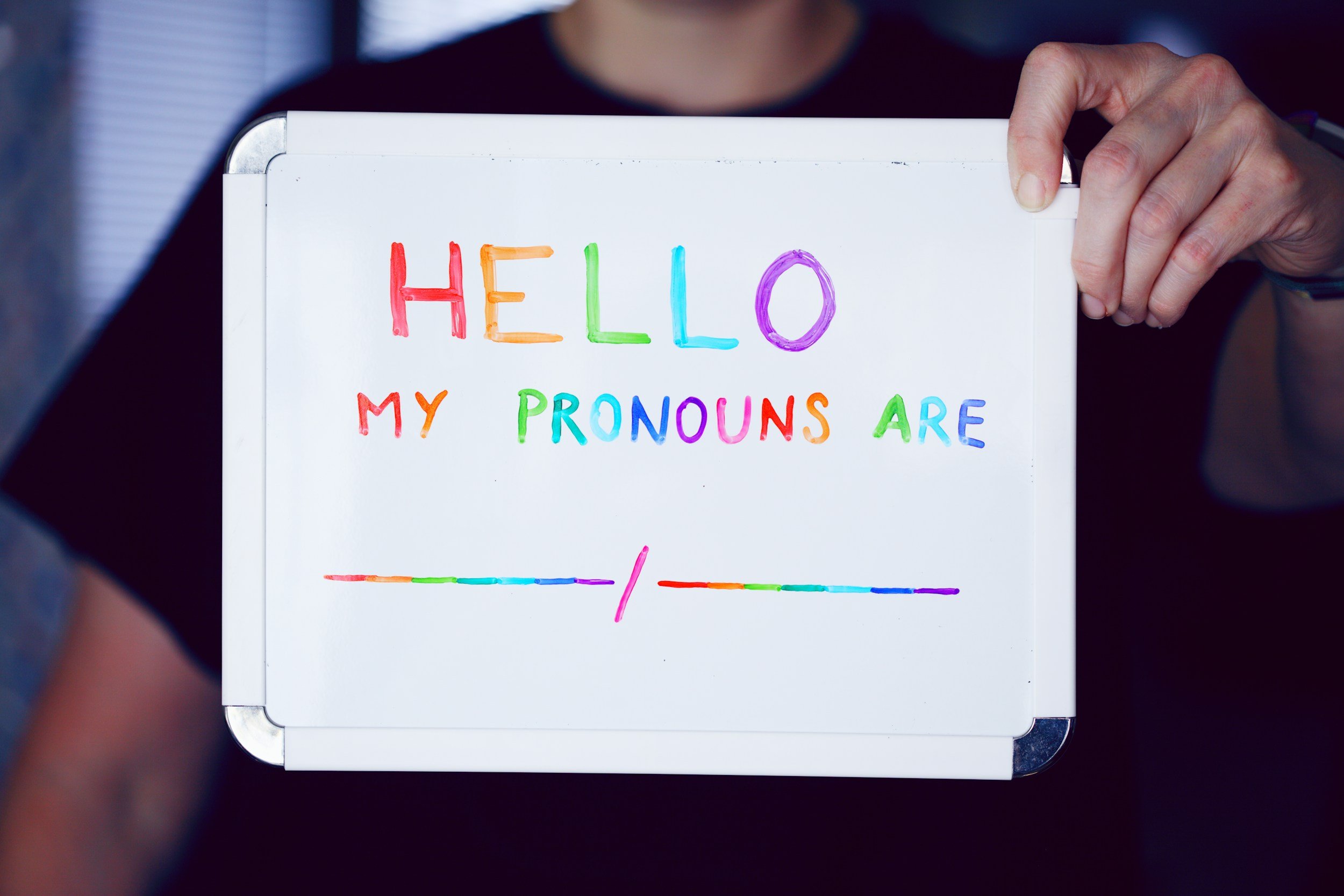
If you’ve ever wondered whether therapy can truly understand you—your identity, your lived experiences, and the nuances of navigating the world as an LGBTQ+ person—you’re not alone.
For many people, the question is not just “Do I need therapy?” but “Will I be understood there?”
LGBTQ+ affirming therapy is more than being accepting. It is an intentional, informed, and supportive approach that recognizes the impact of identity, environment, and lived experience—and actively works to create a space where you do not have to explain or defend who you are.
Let’s break it down.
So, What Does “Affirming” Actually Mean?
At its core, LGBTQ+ affirming therapy validates and supports your sexual orientation, gender identity, and lived experience.
That means your therapist:
Sees your identity as natural and healthy
Does not pathologize or attempt to change you
Understands (or is actively learning about) LGBTQ+ experiences
Recognizes the impact of stigma, discrimination, and minority stress
If you’re unfamiliar with that term, you can read more about it here:
→ How minority stress impacts LGBTQ+ mental health
This approach is grounded in research showing that affirming care improves mental health outcomes for LGBTQ+ individuals (American Psychological Association, 2021; SAMHSA, 2020).
Why Affirming Therapy Matters
Many LGBTQ+ individuals grow up or live in environments where they experience:
Rejection or lack of acceptance
Internalized shame or confusion
Discrimination or microaggressions
Fear of being fully seen
Over time, these experiences can contribute to anxiety, depression, trauma responses, and difficulty with self-worth.
This is often explained through minority stress theory, which shows how chronic exposure to stigma and marginalization can significantly affect mental health (Meyer, 2003).
If this resonates with your experience, you may also find this helpful:
→ Signs you might benefit from LGBTQ+ affirming therapy
Affirming therapy helps counteract these patterns by creating a space where you can:
Feel safe being fully yourself
Process painful or confusing experiences
Build self-acceptance and emotional resilience
Explore identity without pressure or judgment
What Happens in LGBTQ+ Affirming Therapy?
There is no single formula, but affirming therapy tends to include several consistent elements.
1. Creating a Safe, Inclusive Space
You should not have to educate your therapist or worry about being misunderstood. Affirming therapists are intentional about language, pronouns, and identity respect.
2. Exploring Identity at Your Own Pace
Whether you are questioning, coming out, transitioning, or simply trying to understand yourself more deeply, your process is respected without urgency or expectation.
3. Addressing Mental Health in Context
Anxiety, depression, trauma, and relationship concerns are explored through the lens of your lived experience—not separated from it.
This includes understanding how identity-related stress may shape emotional patterns. If you want a deeper clinical explanation of this, you can revisit:
→ How minority stress impacts LGBTQ+ mental health
4. Healing from Past Experiences
This may include processing:
Family rejection
Religious or cultural trauma
Bullying or social exclusion
Internalized homophobia or transphobia
5. Strengthening Relationships and Boundaries
Affirming therapy can also support you in navigating:
Coming out conversations
Family dynamics
Dating and intimate relationships
Setting boundaries in unsupportive environments
What Affirming Therapy Is Not
It is just as important to clarify what affirming therapy does not involve.
It is not:
Conversion therapy (which is harmful and widely discredited)
Identity-neutral or identity-avoidant therapy
Minimizing or dismissing lived experience
Major professional organizations, including the American Psychological Association, strongly oppose conversion efforts due to well-documented harm (APA, 2021).
How to Know If a Therapist Is LGBTQ+ Affirming
If you are looking for affirming care, there are several signs to look for:
They explicitly describe LGBTQ+ affirming or inclusive care
They list experience working with LGBTQ+ clients
They use inclusive language (pronouns, relationship structures, identity language)
They demonstrate ongoing learning in LGBTQ+ mental health
And perhaps most importantly—you feel safe, respected, and not pressured in the space.
If you are still exploring whether therapy is the right step, this post may help you reflect:
→ Signs you might benefit from LGBTQ+ affirming therapy
You Deserve Affirming Support
Therapy should not feel like something you have to brace yourself for.
It should feel like a space where you can exhale.
LGBTQ+ affirming therapy is not about fixing you. It is about supporting you in understanding yourself more fully, healing from what has been painful, and building a life that feels more aligned and authentic.
If you want a deeper sense of what that process actually feels like in practice, you may also want to read:
→ What to expect in LGBTQ+ affirming therapy
Want Support That Truly Understands You?
If you are looking for a space where you do not have to explain or defend who you are, I offer LGBTQ+ affirming therapy designed to support you in exactly that.
Whether you are navigating anxiety, identity exploration, trauma, or relationships, you do not have to do it alone.
You are welcome to reach out to get started, or continue exploring the blog to learn more about identity, mental health, and healing at your own pace.
About the Author
Cindy Lee Collins, LPCC#22053, is a Licensed Professional Clinical Counselor in Riverside, California with 5 years of experience specializing in trauma, anxiety, and depression. She is trained in EMDR (EMDRIA-approved), Internal Family Systems, Emotionally Focused Therapy (ICEEFT), and the Comprehensive Resource Model. Learn more about Cindy.
References
American Psychological Association. (2021). Guidelines for Psychological Practice with Sexual Minority Persons. https://www.apa.org/pi/lgbt/resources/guidelines
Meyer, I. H. (2003). Prejudice, social stress, and mental health in lesbian, gay, and bisexual populations. Psychological Bulletin, 129(5), 674–697. https://doi.org/10.1037/0033-2909.129.5.674
Substance Abuse and Mental Health Services Administration (SAMHSA). (2020). Behavioral Health Equity for LGBTQ+ Populations. https://www.samhsa.gov/behavioral-health-equity/lgbtq
Disclaimer: This blog post is for informational and educational purposes only and does not constitute psychotherapy, diagnosis, or a therapeutic relationship. If you are in crisis, please contact the 988 Suicide and Crisis Lifeline by calling or texting 988.
