
CRM Therapy for Complex Trauma, PTSD, and Anxiety in Riverside, CA and across California
Healing doesn't have to mean reliving everything.
The Comprehensive Resource Model is a body-based, neurobiologically-informed approach designed to help your nervous system feel safe enough to finally do the deeper work: without overwhelm, without re-traumatization, and without needing to retell every detail of what happened.
Why CRM works when other approaches haven't.
CRM is different because it starts where trauma actually lives: in the body and nervous system, not just in thoughts or memories. Before we approach anything difficult, we build your internal resources: the sense of steadiness, groundedness, and safety that makes real healing possible.
This means you won't be pushed to relive or retell painful experiences before you're ready. It means sessions end with you feeling more settled, not more activated. And it means the tools you build here belong to you long after therapy ends.
Whether you're carrying complex childhood wounds, PTSD from a specific event, or the compounded stress of a career in military or emergency services, CRM meets you where you are and helps you move forward without leaving pieces of yourself behind.
You've already survived the hard part. CRM helps you finally move through it.

What is The Comprehensive Resource Model (CRM)?
A trauma therapy designed to help you process without overwhelm.
The Comprehensive Resource Model (CRM), developed by Lisa Schwarz, is a neurobiologically-informed approach that helps your nervous system feel stable enough to safely work through painful experiences.
Why it’s different
Instead of separating coping skills and trauma processing, CRM integrates both from the start so you can stay grounded while doing deeper work.
How it works
Builds internal stability using body awareness, breath, and eye positioning
Strengthens “neurological scaffolding” so you don’t get flooded
Teaches tools you can use between sessions
Supports long-term independence, not reliance on therapy
Evidence and transparency
It is worth noting that while CRM has a strong and growing body of clinical and practitioner evidence, and draws on well-established neuroscience research, it is a relatively newer model and large-scale controlled clinical trials are still emerging. Many clients and clinicians report profound results, and the approach is grounded in sound neurobiological principles, but if a robust peer-reviewed evidence base is important to your decision-making, that is a fair and reasonable thing to weigh.
Two things most people want to know first
What does a CRM session actually feel like?
CRM sessions are typically slower-paced and highly focused on present-moment awareness in the body. You may be guided to notice sensations, breath, or internal states while working with specific resource states that support regulation. Many people describe the experience as grounding, contained, and carefully titrated rather than emotionally flooded.
What is the Comprehensive Resource Model (CRM) and how is it different from other trauma therapies?
Most trauma therapies, including CBT and traditional EMDR, either focus primarily on changing thought patterns or on directly processing traumatic memory. CRM takes a different starting point: before approaching any traumatic material, it builds neurological stability through body-based resourcing techniques. This means the nervous system is regulated and supported throughout the process, rather than being asked to tolerate distress and recover afterward.

CRM may be right for you if…
You’ve tried therapy, but still feel stuck.
Maybe you’ve done talk therapy or Cognitive Behavioral Therapy and gained insight, but the deeper patterns haven’t shifted. Or you’ve tried Eye Movement Desensitization and Reprocessing, but felt emotionally flooded and distressed. CRM works at the level where these patterns are actually held: the nervous system. Rather than asking you to think your way through trauma, it works directly with your body's responses to prevent emotional flooding before it starts.
This approach may fit if you’re experiencing:
Complex trauma or Complex PTSD
Trauma that feels ongoing, layered, or unresolvedChildhood attachment wounds
Early relationships that still shape how safe things feelPersistent or disproportionate anxiety
Reactions that feel bigger than the present momentDissociation or disconnection
Feeling numb, foggy, or not fully in your bodyLimited progress in other therapies
Insight without lasting emotional changeMilitary or first responder trauma
Repeated exposure to high-stress or life-threatening situations
Not sure if this is the right fit?
That’s exactly what the consultation is for. We can talk through what’s been happening, what you’ve already tried, and whether this approach aligns with what you need right now.
What does a CRM Processing session look like?
Here’s what you can typically expect during a session:
Warm Welcome: We’ll begin by checking in on how you’re feeling and discussing any topics or concerns you want to focus on during our time together.
Slow and Calm Your Nervous System: CRM focuses on your inner strengths and what helps you feel steady. We’ll use techniques you’ll learn, like breathing exercises and your “sacred place”, to soothe your nervous system. Then I’ll guide you through a simple body exercise, noticing and connecting seven spots that feel solid, centered, present, and grounded, to ground you in the moment and get you into your body. This is a somatic grounding technique used to anchor clients before trauma processing begins.
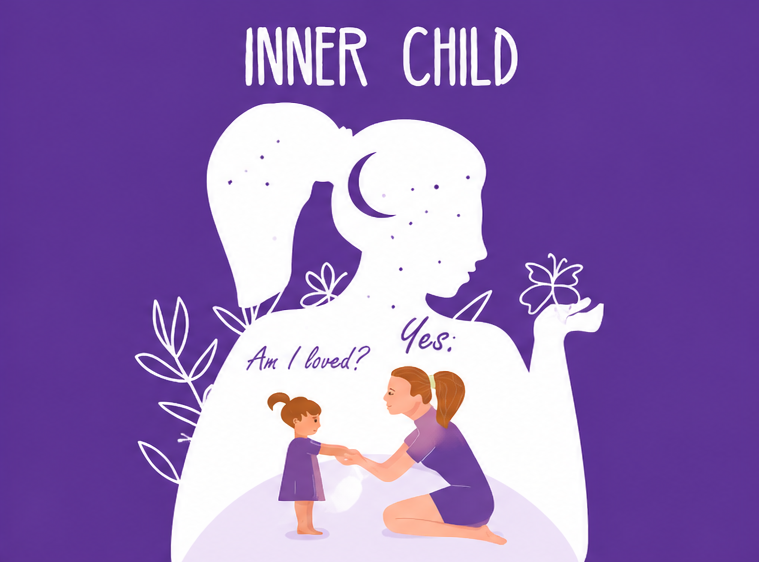
Exploring Challenges: Then we'll gently turn toward the distress together, not by forcing you to relive it, but by inviting the youngest part of you that carries these thoughts, feelings, memories, or body sensations into the space. As the adult you are today, you'll learn to connect with and offer support to that younger part of yourself through guided attunement. This is the heart of how CRM helps release the emotional weight that has been held for so long.


Processing: Using specific techniques, we’ll work together to process these challenges. This involves visualizations, focusing on sensations in your body, or guiding you through emotional experiences by allowing “adult” you to show up and support the inner child who has carried the pain alone for so long (this refers to an ego-state or part of self that holds early experiences). The adult shows up for the little one the way they wished someone had in the past. The idea is to help you release the emotional charge associated with difficult memories, making them less overwhelming.
Integration: We’ll finish the session by noticing and integrating what you’ve experienced.
Closing: Finally, we’ll take a moment to reflect on the session and set intentions for any follow-up work. You’ll also have the opportunity to ask any questions or share any lingering thoughts.
Every part of a CRM session is designed to keep you grounded, supported, and in control because real healing doesn't happen when you're overwhelmed. It happens when you finally feel safe enough to let it.
FAQs about CRM
Is CRM appropriate for complex or developmental trauma?
Yes. CRM is often used with complex trauma, including developmental and attachment-related trauma. Because it prioritizes nervous system stability and resource development, it can be especially helpful for individuals who feel easily overwhelmed, dissociated, or unable to tolerate direct trauma processing in other modalities.
Do I have to revisit my traumatic memories in detail during CRM?
No. CRM does not require detailed retelling of traumatic events. The work is more focused on how your nervous system holds and responds to traumatic material, rather than narrating the events themselves. This can make it more tolerable for individuals who find detailed recall activating or destabilizing.
How do I know if CRM is the right fit for me, and how is it used alongside other treatments?
CRM may be a good fit if you struggle with overwhelm, dissociation, chronic anxiety, or difficulty staying regulated in traditional trauma processing. In integrative work, CRM can be used alongside EMDR, IFS, or EFT to build stability, support deeper processing, and strengthen emotional and relational integration over time.
Have more questions? Read the full FAQ.